Game Art Styles In 3D That Will Trend In 2026
This blog explores the emerging 3D art trends influencing modern game studios, including procedural world-building, hand-painted realism, anime-inspired 3D hybrids, and next-gen photorealistic rendering techniques. It also examines how these styles impact player engagement, branding, and production workflows in competitive gaming markets.
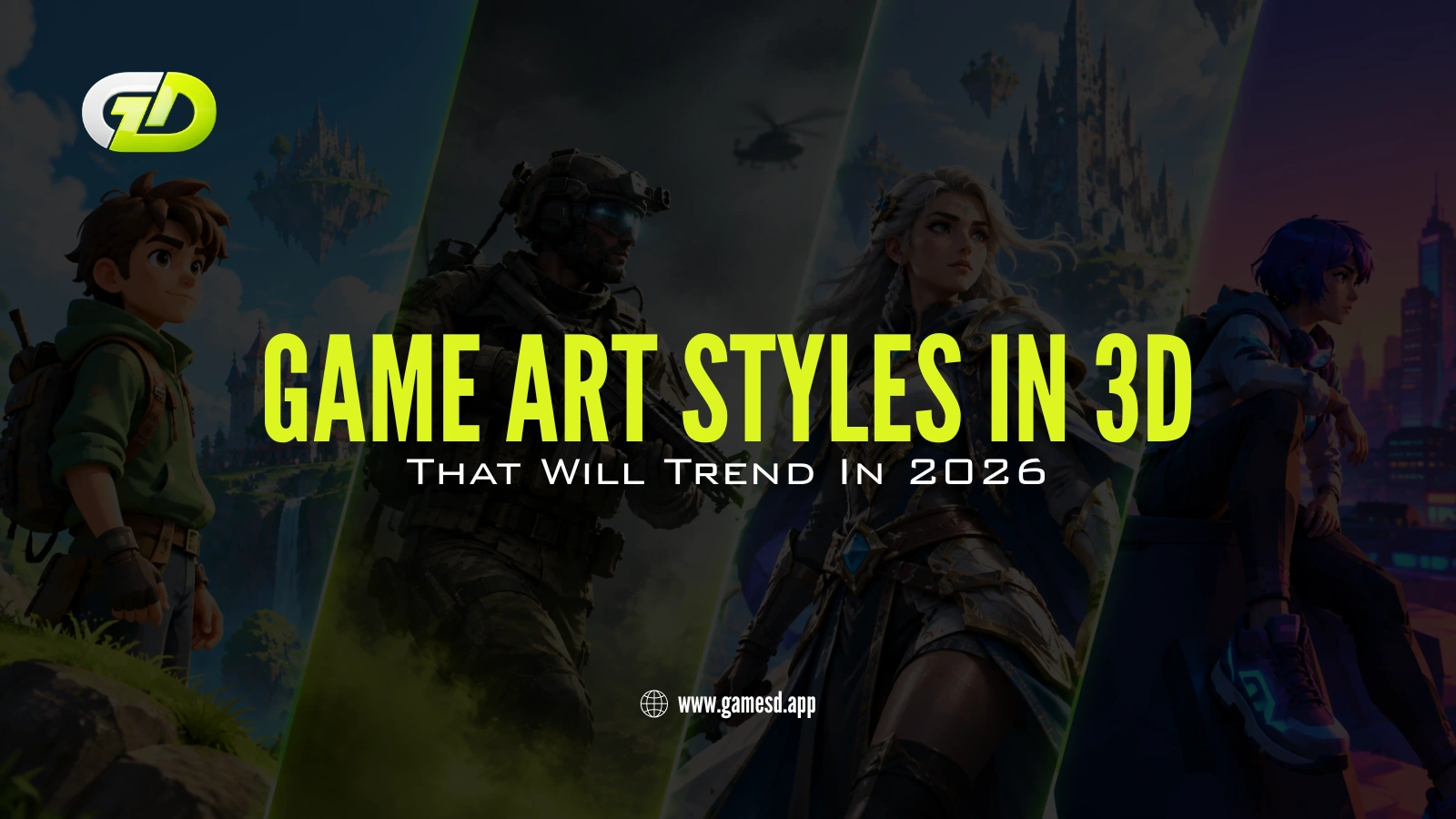
As we look towards 2026, the landscape of 3D game art is poised for significant transformation. With advancements in technology and shifts in player preferences, a variety of art styles are expected to dominate the gaming world. From hyper-realistic visuals that blur the line between reality and gaming to the nostalgic charm of low-poly aesthetics, the trends are diverse and exciting. This article will explore the top 3D game art styles that will trend in 2026, providing insights into their characteristics, examples, and potential impact on the gaming industry.
1. Hyper-Realistic 3D Game Art
Hyper-realism in 3D game art focuses on creating visuals that are nearly indistinguishable from real life. This style uses advanced rendering techniques, ray tracing, and ultra-high-resolution textures to achieve incredible detail. Many modern projects, including those developed by a casino game development company, rely on hyper-realistic environments and characters to deliver immersive slot, poker, and live casino experiences. As hardware and rendering technology improve, hyper-realistic visuals will continue to redefine immersion in gaming.
2. Cel-Shaded 3D Games
Cel-shading offers a unique aesthetic that stands out from traditional 3D art styles. This technique mimics the appearance of hand-drawn animation, creating a vibrant and stylized look. Popular titles such as Borderlands have successfully employed cel-shading to create a distinctive visual identity. In 2026, we anticipate more games embracing this style, allowing for creative storytelling and artistic expression.
3. Hybrid 3D Art Styles
The blending of different art styles is becoming increasingly popular in the gaming industry. Hybrid 3D art combines elements from various styles, resulting in unique and innovative visuals. For instance, a game might feature hyper-realistic characters in a stylized environment, creating a striking contrast that enhances gameplay. This trend encourages developers to experiment, leading to fresh and engaging experiences for players.
4. Low-Poly 3D Art Trends
Low-poly art has made a significant comeback in recent years, appealing to both nostalgic gamers and those seeking minimalist aesthetics. This style features simplified models and textures, allowing for a more abstract representation of characters and environments. Games like Journey have successfully utilized low-poly art to create emotional and immersive experiences. As we move into 2026, expect to see more titles adopting this charming and accessible art style.
5. AI-Assisted 3D Game Assets
Artificial intelligence is revolutionizing game development, particularly in creating 3D assets. AI-assisted tools can generate intricate models and textures, streamlining the development process. This technology allows artists to focus on creativity while AI handles repetitive tasks. As AI continues to advance, we can expect a surge in games featuring high-quality, diverse 3D assets, ultimately enhancing player experiences.
6. Stylized Realism Games
Stylized realism strikes a balance between realistic and artistic visuals, creating a unique aesthetic that appeals to a broad audience. This style often features exaggerated proportions and vibrant colors, allowing for creative freedom while maintaining a sense of realism. Games like Ghost of Tsushima exemplify this trend, offering stunning visuals that enhance storytelling and immersion.
7. Diorama 3D Environments
Diorama-style environments create a miniature world that players can explore. This trend emphasizes detail and craftsmanship, often featuring intricate designs and layered visuals. Games like Little Big Planet have popularized this style, encouraging players to engage with their surroundings in unique ways. In 2026, we expect more developers to explore diorama environments, offering players a fresh perspective on gameplay.
8. Anime NPR 3D Rendering
Anime Non-Photorealistic Rendering (NPR) brings anime aesthetics into 3D environments. Featuring bold outlines, expressive characters, and vibrant colors, this style appeals strongly to global anime audiences. Many NFT, metaverse, and Web3 projects created by a blockchain game development company are adopting anime-inspired visuals to attract younger and global player communities.
9. Plushcore Game Aesthetics
Plushcore aesthetics evoke feelings of comfort and nostalgia, often featuring soft, rounded shapes and pastel colors. This style is designed to create a welcoming atmosphere, appealing to players seeking a cozy gaming experience. Games like Animal Crossing exemplify plushcore aesthetics, offering players a charming escape from reality. In 2026, we anticipate more titles embracing this comforting style, further enhancing player engagement.
10. Procedural 3D Worlds and Micro-Environments
Procedural generation allows developers to create vast, dynamic worlds with minimal resources. This technique can produce unique landscapes, environments, and even entire ecosystems, providing players with endless exploration opportunities. Games like No Man's Sky have showcased the potential of procedural worlds, offering players a sense of discovery and adventure. In 2026, expect to see more titles leveraging procedural generation to create immersive micro-environments that captivate players.
Conclusion
The future of 3D game art is filled with innovation, creativity, and technological advancement. From hyper-realistic visuals to stylized anime rendering and AI-assisted asset creation, these trends will shape the next generation of gaming experiences. As player expectations continue to grow, partnering with an experienced game development company like Gamesdapp ensures access to cutting-edge art styles, advanced tools, and expert artists who can bring modern game visions to life.
Let's Connect With Us


You’re just one step away from transforming your dream game into a blockchain-powered reality. Get A Live Demo Today