How AI Can Make Game Characters More Responsive and Realistic?
Explore how AI makes game characters more responsive and realistic through intelligent NPC behavior, natural language processing, emotional reactions, adaptive decision-making, and AI-powered animation.
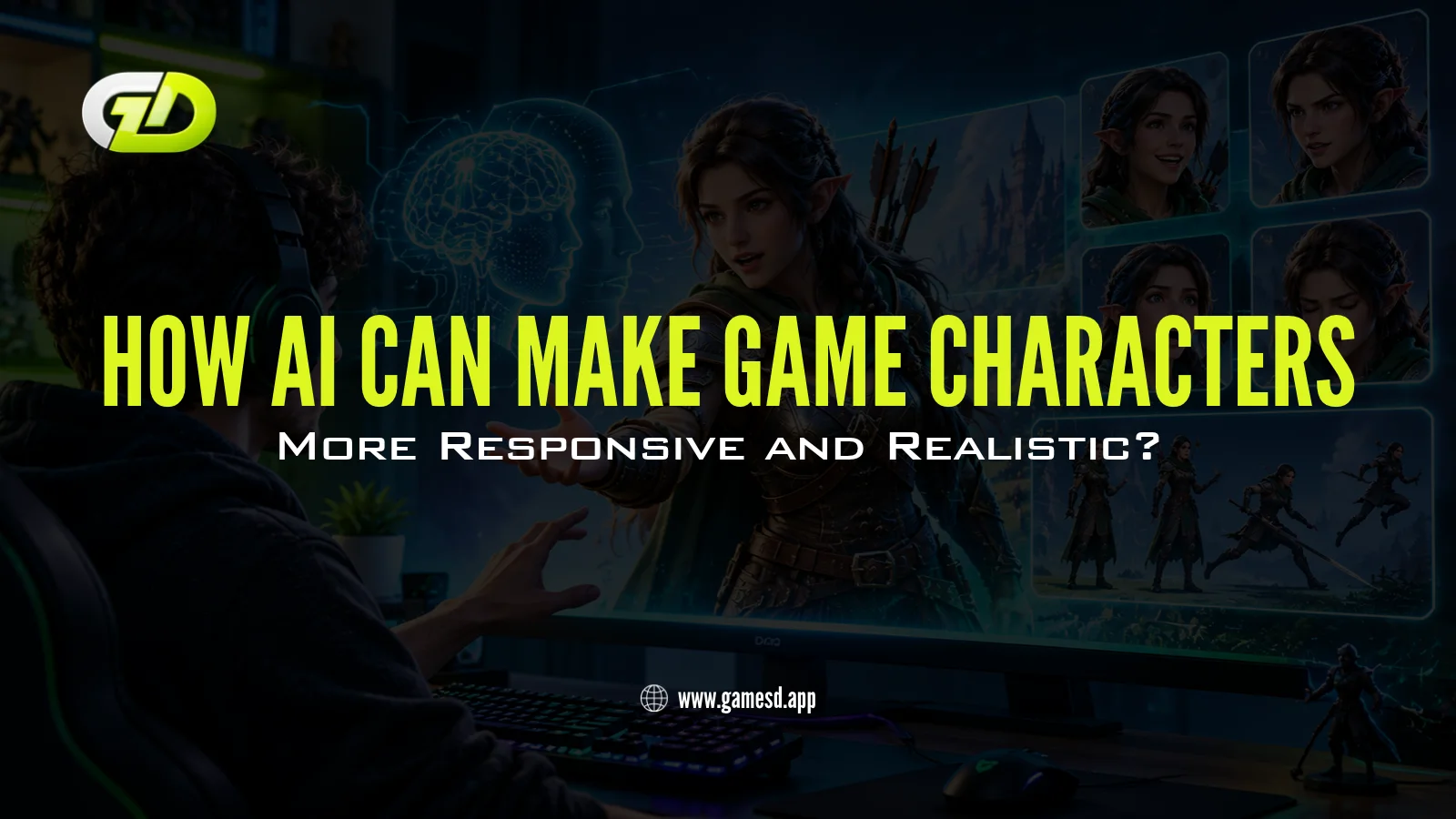
Artificial Intelligence is revolutionizing the gaming industry through its capacity to bring increased interactivity and immersion to games. Traditionally, game characters were programmed to act according to a specific set of rules and instructions. However, new developments in artificial intelligence technology allow these game characters to recognize what the players do, make choices, and react accordingly depending on various circumstances. Through intelligent NPCs, and interaction based on emotions, game developers can design characters that act more real than ever before.
What Makes a Game Character Feel Realistic?
Realistic game characters is not merely an aesthetically pleasing design, but the way that a character behaves, moves, reacts, and interacts with other things in the game helps make the gaming experience of the player.
The following components need to be considered:
- Realistic Movement: Proper animation, gestures, and movements can add reality to the characters.
- Intelligent Decision-Making: The characters need to take intelligent decisions according to the context and situation in the game.
- Expressions of Emotions: Facial expression and reactions are useful to express various emotions.
- Context Sensitive Conversations: The characters need to converse with the player in an appropriate manner.
How AI Makes Game Characters More Responsive and Realistic
Intelligence is introduced through AI, which helps the game characters go past the pre-programmed actions and provide natural interactions.
Intelligent NPC Behavior
The traditional approach used in designing Non-Player Characters (NPCs) involved using fixed scripts and actions. Through AI, NPCs are able to understand their surroundings and the actions of the player, and react depending on the situation. An enemy character, for instance, can adjust his tactics when the player repeats the same actions several times.
- Natural Language Processing
Using Natural Language Processing (NLP), the game characters are capable of understanding the conversation of the player. The player does not have to choose responses from a pre-designed set of options but instead can engage the characters using natural language.
- Emotions Based Actions
Using AI, game characters can understand the situation of the game and react with appropriate emotion. The friendly character, for example, can get happy when the player accomplishes a task, while the enemy character will show signs of anger when he is defeated by the player.
- Adaptive Character Behavior
AI technology ensures that characters can adapt their behavior according to the player's choices and play styles. For example, a companion character can give more assistance when the player is facing difficulty in completing a mission.
- AI-Based Animation
AI-based animation technologies assist in making natural-looking movements of the characters, facial expressions, and body language. The characters can interact with the environment and react to any movement made during the game, thereby avoiding repetitions.
- Decision Making Process
AI technology enables the characters to analyze various situations and make decisions accordingly. The characters do not follow a set pattern but change according to the situation. For example, the NPC can decide whether he/she should run away, protect himself/herself or attack the player.
AI Technologies Behind Realistic Game Characters
Some of the AI techniques that help create intelligent and interactive game characters include:
- Machine Learning (ML): Helps characters recognize gameplay patterns and react to them depending on player behavior.
- Natural Language Processing (NLP): Assists in conversations as it helps characters comprehend player input and provide relevant replies.
- Generative AI: Creates engaging dialogs, character personalities, and interaction within the game context.
- Reinforcement Learning: Helps characters learn appropriate reactions via rewards and punishments during gameplay.
- Computer Vision: Allows characters to recognize visual cues and react to objects and movements.
A combination of these technologies can help developers create characters with flexible behavior and interaction.
Benefits of AI-Powered Game Characters
There are many benefits to using AI in video game characters for the modern gamer.
- Enhanced Game Play Experience: Realistic movement and reaction from characters add authenticity to the virtual world.
- Enhanced Engagement of the Player: Interaction between the player and the character allows for varied dialogue and actions to take place.
- Customization: The characters can adapt their actions depending on how the player reacts.
- Multiple Play through Options: Each time the player engages with a new character, a new experience will be created.
- Dynamic Storyline: Using AI in characters helps create an engaging storyline through interaction.
- Flexible Character Interactions: Intelligent characters can adapt their reactions according to different situations rather than following set instructions.
Challenges of Implementing AI in Game Characters
Even though AI has many opportunities, there are also some obstacles in the integration of AI into the characters of games.
- Technical Expertise: Creating a system of intelligent characters requires some technical expertise from developers.
- Performance Needs: Some AI-based algorithms may require more computing resources.
- Consistency of Behavior: The output of the algorithm should be consistent with the behavior of the character and the plot of the game.
- Reliable Data: Machine learning algorithms need good-quality data to work properly.
- Game Balance: The character has to remain a challenging opponent without being unpredictable.
Thus, dealing with these problems will help developers balance intelligence, performance, and fun.
The Future of AI-Powered Game Characters
In the future of gaming, characters will be able to understand the behavior of the player, remember their past interaction, and react flexibly. With the help of AI, gaming will get more personal and interactive in nature. Characters with emotional intelligence will understand the interaction and show emotions, while conversations by AI will form dynamic dialogs depending on the gameplay and decisions of the players. Interaction with memory will make the characters understand past conversations and react according to past experiences. In a similar way, the interaction of AI-powered characters in multi-player games will be more natural, while the NPCs will adjust their behavior as per the game style of players.
Conclusion
AI is transforming game characters by making them more intelligent, responsive, and realistic. From adaptive behavior and dynamic conversations to emotion-based reactions, these advancements are creating more immersive gaming experiences. As AI continues to evolve, businesses can explore new opportunities to build interactive games that meet changing player expectations. Partnering with GamesDapp, an experienced AI game development company, helps businesses turn innovative ideas into engaging gaming experiences with intelligent characters, personalized interactions, and dynamic gameplay that keeps players connected.
Let's Connect With Us


You’re just one step away from transforming your dream game into a blockchain-powered reality. Get A Live Demo Today