A Closer Look at the VR
Platform
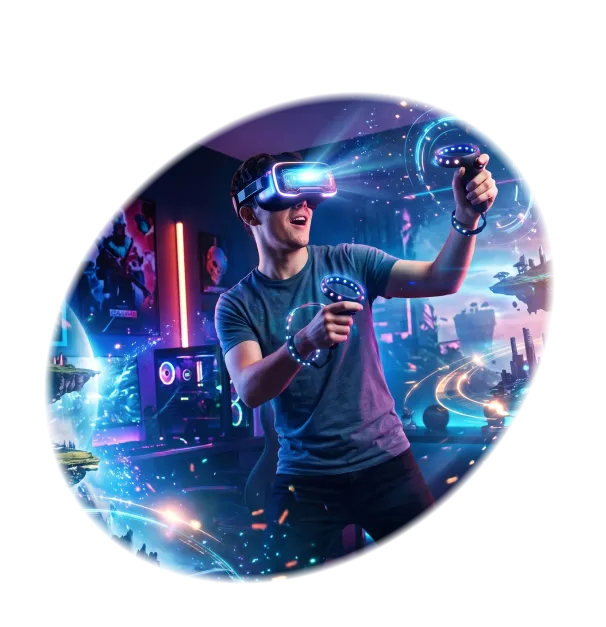
A VR platform is a digital environment that enables users to explore immersive 3D worlds, interact with virtual objects, customize avatars, and participate in shared experiences. It combines virtual environments, real-time interactions, digital content, and interactive activities within a connected ecosystem.
Users can access gaming, entertainment, social engagement, and virtual exploration through compatible devices. Businesses can customize the platform's environments, features, and functionality to match their product concepts, target audiences, and operational requirements while supporting future enhancements and expansion.
Challenges Addressed by
Our VR Platform
The conventional digital platform may constrain the way the users access the virtual content, interact with one another, and interact with the digital environment. The VR platform offers an alternative through creation of interactive environments where the users can engage, communicate, and take part in various activities.
Constrained User
Immersion
Replace the conventional digital experience with interactive 3D environments that encourage active engagement.
Disjointed User
Experience
Integrate the virtual space, activities, avatars, and communication into a single platform.

Constrained Social
Interaction
Enable the users to communicate and engage in various virtual environments.
Constrained
Personalization
Support customization of the avatars, environments, and experience in accordance with audience needs.

Difficult Platform
Management
Allow centralized management of users, virtual content, platform parameters, and activities.

Constrained Expansion
of the Experience
Build a platform that allows flexibility in the expansion of environments, activities, and functionalities.
How Our Platform Works
The VR platform connects users, virtual environments, interactive elements, and platform management capabilities through a structured digital ecosystem. The experience begins when users access a supported device and continues as they explore virtual spaces, interact with other participants, and engage in platform activities.
Step 1
Access the Virtual Environment
Users enter the platform through compatible devices and access the virtual spaces available to them.

Step 2
Create or Customize an Avatar
Users establish their virtual presence through available avatar customization and personalization options.
Step 3
Explore Virtual Spaces
The platform enables users to navigate 3D environments, discover activity zones, and interact with virtual objects.
Step 4
Participate in Experiences
Users can join supported games, entertainment activities, social interactions, and multiplayer experiences.
Step 5
Manage the Virtual Ecosystem
Administrators oversee users, content, virtual assets, platform settings, and activity monitoring through management capabilities.
Step 6
Expand Platform Capabilities
New environments, activities, integrations, and features can be introduced according to evolving product requirements.
Core VR Features & Experiences
The platform brings together a range of interactive capabilities that allow users to experience, participate, and engage within the virtual world. From shared activities and gaming to real-time interaction and social experiences, each functionality contributes to a more engaging VR environment.

Immersive Experiences
Create engaging virtual experiences that place users inside interactive digital environments with realistic visuals, spatial elements, and responsive surroundings.

Interactive Elements
Enable users to engage with virtual objects, environments, characters, and digital components through intuitive VR-based interactions.

Real-Time Interactions
Support responsive communication and interactions between users, virtual objects, and environments for seamless real-time experiences.

Multiplayer Experiences
Allow multiple users to enter shared virtual spaces, participate in activities, communicate, and interact simultaneously within the platform.

Gaming & Entertainment
Incorporate immersive games, entertainment activities, challenges, and interactive experiences designed to keep users engaged within virtual environments.

Activity Modules
Introduce customized activity modules that support different experiences, functions, and engagement opportunities based on the platform's requirements.

Social Experiences
Enable users to communicate, collaborate, participate in shared activities, and build meaningful connections within interactive virtual spaces.

Product-Specific Capabilities
Integrate specialized functionalities tailored to the product concept, business objectives, target audience, and overall VR platform experience.
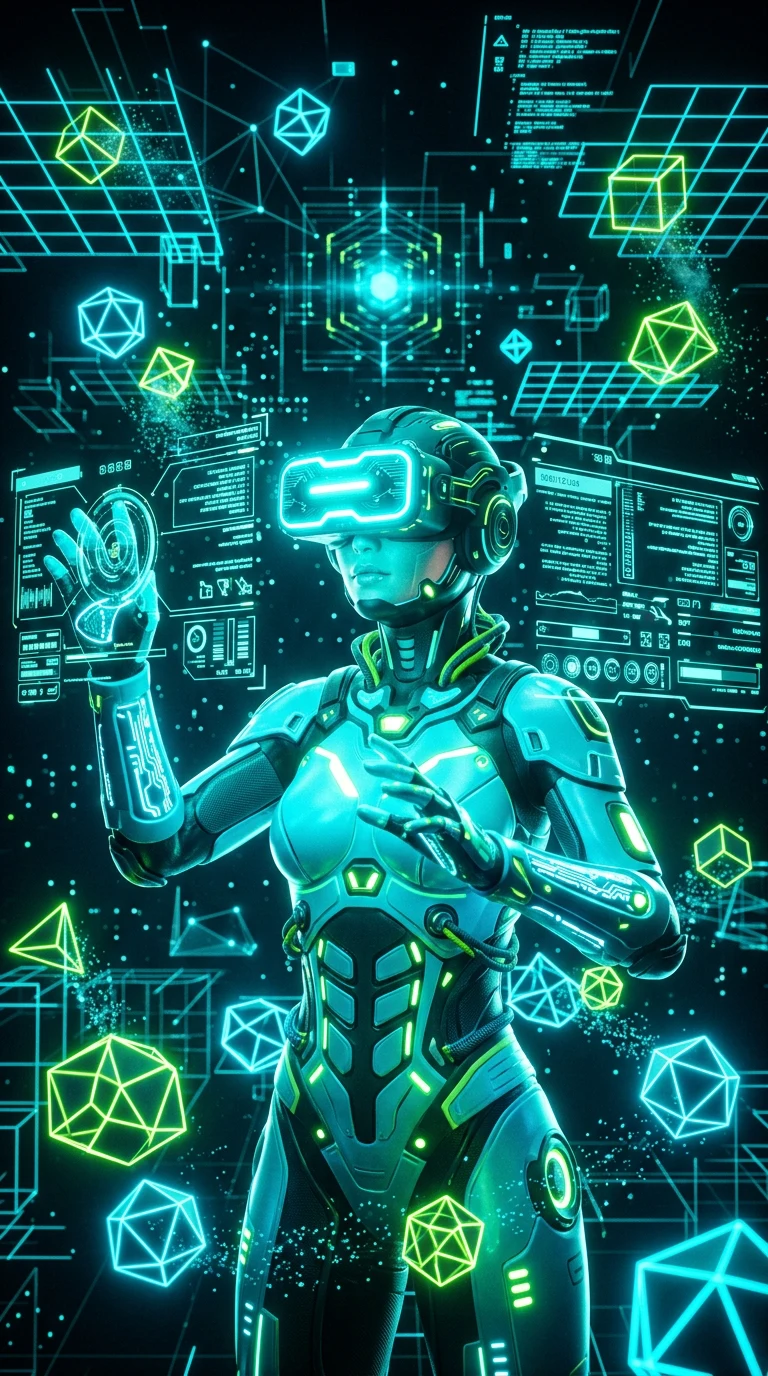
Configurable 3D Ecosystem
Multi-Device Ready
What Makes Our VR Platform Different?
The VR platform provides a flexible foundation for building virtual experiences around specific business objectives, audience expectations, and product concepts. Its configurable components allow businesses to shape the environment, interactions, and functionality instead of relying on a single predefined experience.
Adaptable Virtual Environments
Configure virtual spaces, activity zones, interactive objects, and digital surroundings to suit different platform concepts.
Flexible Experience Design
Customize user journeys, avatar experiences, interfaces, and interaction patterns according to the intended audience.
Modular Functionality
Structure the platform around relevant gaming, entertainment, social, and interactive capabilities, with room for future enhancements.
Brand-Centric Customization
Integrate brand elements into supported virtual environments, interfaces, avatars, and digital assets.
Extensible Platform Architecture
Plan for additional experiences, supporting services, and integrations as platform requirements develop.
Device-Aligned Experiences
Adapt interactions and interfaces to the compatible devices selected for the product, based on technical requirements and implementation scope.
VR Platform Use Cases and Target Audiences
The VR platform can support different virtual experience concepts depending on the intended audience, product objectives, and required functionality.
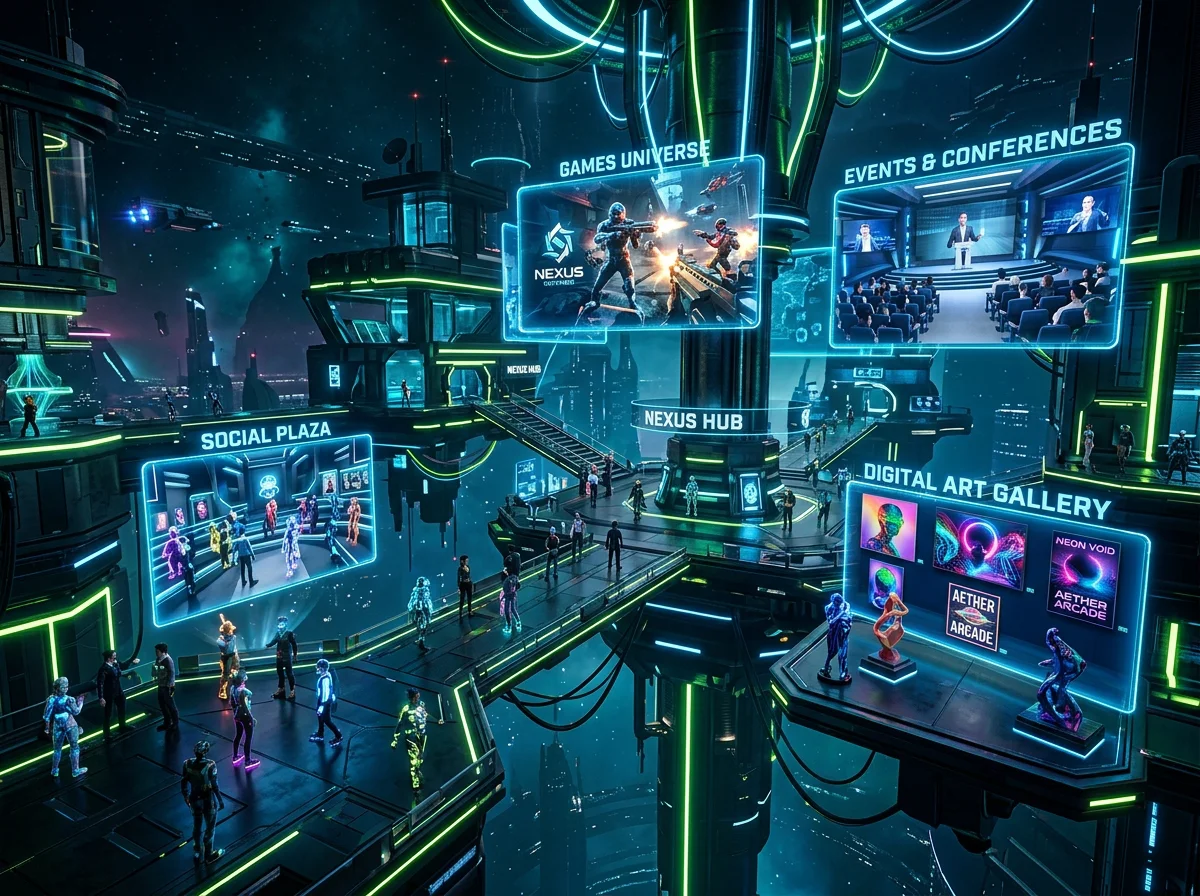
Multi-Industry Metaverse Experiences
Gaming
VR Gaming Environments
Game developers can create interactive worlds featuring virtual exploration, gameplay activities, multiplayer interactions, and immersive challenges.
Social
Virtual Social Communities
Businesses can develop shared virtual spaces where users connect, communicate, participate in group activities, and socialize through avatars.
Media
Immersive Entertainment
Entertainment providers can introduce virtual experiences, interactive events, digital attractions, and engaging activities within dedicated environments.
Events
Virtual Events and Gatherings
Organizations can design shared digital venues for meetings, community gatherings, presentations, and interactive events, subject to the required implementation.
Worlds
Virtual Exploration Experiences
Businesses can create digital worlds where users discover environments, interact with virtual objects, and navigate themed spaces.
Brands
Branded Virtual Experiences
Brands can develop customized virtual environments that incorporate branded assets, interactive activities, and audience engagement features.
Supported Technologies and Integrations
The VR platform can be configured around the technologies, devices, and external services required for the intended product. The final technology stack and integration scope depend on the platform architecture, target devices, and desired user experiences.
HARDWARE
VR Headsets and Hardware
Integrate compatible VR headsets, controllers, and supported tracking hardware to enable immersive navigation and interactions.
CROSS-PLATFORM
Desktop and Mobile Access
Extend selected platform experiences to compatible desktop computers, smartphones, or tablets when included in the implementation scope.
3D ENGINES
3D Development Technologies
Select suitable 3D engines, rendering technologies, and development frameworks according to the required visual quality and interaction model.
INFRASTRUCTURE
Backend and Cloud Infrastructure
Use appropriate backend services and infrastructure to support user accounts, content delivery, platform operations, and other required services.
CONNECTIVITY
APIs and Third-Party Services
Connect compatible external services for authentication, communication, analytics, content management, or other platform-specific functions.
ADAPTABILITY
Cross-Device Compatibility
Configure interfaces, controls, and interactions for the devices targeted by the product, subject to hardware and software compatibility.
FULL-STACK
Technology Stack Configuration
Finalize the development tools, infrastructure, integrations, and deployment approach according to functional and technical requirements.
Security and Privacy Considerations
Security and privacy are important considerations when building a VR platform that handles user accounts, virtual interactions, digital content, and platform activity. The implementation should incorporate safeguards appropriate to the product's architecture, user base, and applicable requirements.
🛡️ User Authentication & Access
Implement appropriate authentication and permission mechanisms to manage access to user accounts, administrative tools, and platform resources.
🛡️ User Data Protection
Define suitable practices for collecting, storing, accessing, and processing personal information and user-generated content.
🛡️ Administrative Permissions
Separate administrative responsibilities and restrict sensitive platform operations according to assigned access levels.
🛡️ Secure Data Communication
Use appropriate communication security measures to protect information exchanged between supported devices and platform services.
🛡️ Monitoring & Oversight
Establish suitable logging, monitoring, and incident-handling procedures to support operational visibility and investigation.
🛡️ Privacy & Compliance
Assess applicable privacy, data protection, and regulatory obligations based on the platform's target markets, features, and user demographics.

End-to-End Encryption
Zero-Trust Model