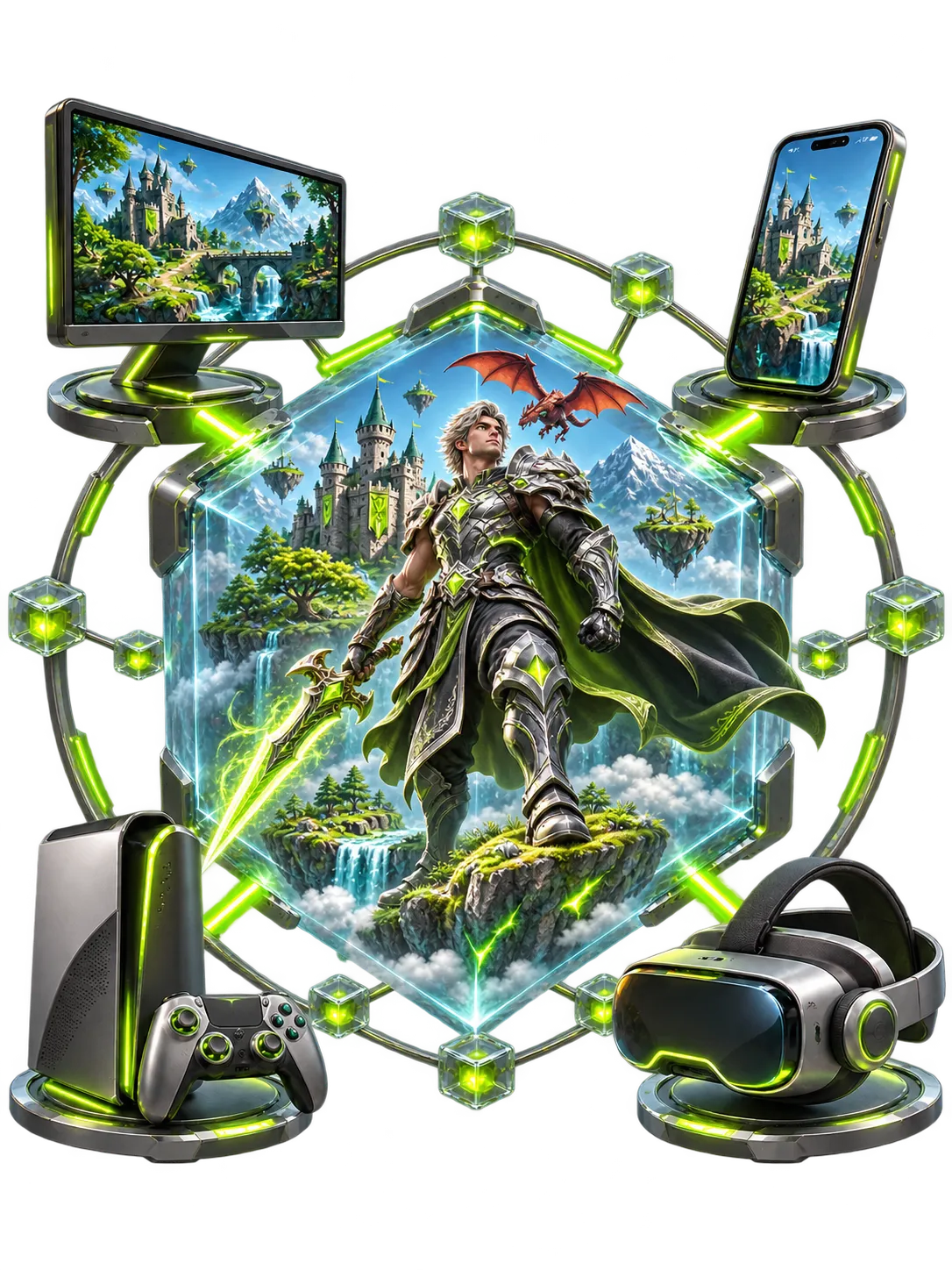

Advanced Game Porting for Modern Gaming Platforms
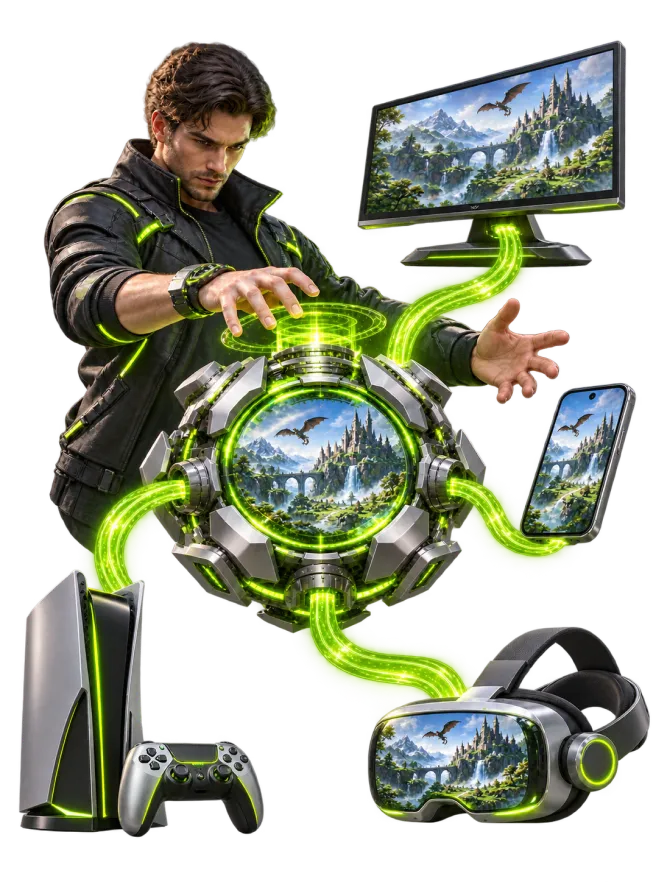
Porting of games enables developers to use the existing games for deployment into different gaming environments without having to design them entirely again. Different gaming environments have different hardware and software configurations, control mechanisms, and other technical specifications that determine how well the game can run on that particular environment.
At GamesDapp, we ensure that the game is ported in a way that satisfies the specifications of the target gaming environment, ensuring enhanced compatibility and performance of the game across different gaming devices. This enables companies to broaden their market reach.
Our Game Porting Services
We offer game porting services that enable companies to convert their existing games to be played on other gaming platforms. Be it mobiles or top-performing gaming devices, our game porting services concentrate on platform compatibility, adaptation, and gameplay consistency.
Mobile Game Porting
Convert your PC and console games to be compatible with mobile devices through platform-specific game porting. Modify gameplay mechanics, screen layouts, graphics, and resource use to have an excellent playing experience from smartphone and tablet.
Android Game Porting
Transform your existing game to work on various Android platforms, varying screen sizes, OS, and hardware types.
iOS Game Porting
Adjust your game architecture and interfaces in order to work for iPhone and iPad platforms.
Touchscreen Controls and UI Transformation
Modify keyboard, mouse, and controller controls into touchscreen controls and mobile compatible user interfaces.
Mobile Performance Optimization
Optimize game resources, memory, and rendering performances according to the mobile device.

Porting PC Games
Expand the scope of accessibility for your game in a desktop setting by porting your game's technological elements into PC platforms. Compatibility, graphics, and control options are the key considerations we take into account in our work with various PC configurations.
Windows Game Porting
Optimize your game's features, graphics, and system requirements to run in Windows gaming environments.
Linux Game Porting
Modify game dependencies, libraries, and system-level components to support Linux distributions.
Graphics and Hardware Compatibility
Optimize your game's graphics configuration and hardware requirements according to various PC configurations.
Keyboard, Mouse, and Controller Options
Configure input systems to provide responsive gameplay across different PC control preferences.

Console Game Porting
Extend your current game to console platforms by making changes specific to their hardware architecture and development environments. Our emphasis is on providing consistent gameplay while ensuring that our technical aspects are in accordance with the requirements of consoles.
Playstation Game Porting
Make changes to the game architecture, graphics, and controls to work within the supported PlayStation environment.
Xbox Game Porting
Change the game components and systems to function within the hardware and development requirements of Xbox.
Nintendo Switch Game Porting
Tune the resources, rendering, and other aspects of the game according to Nintendo Switch hardware and handheld requirements.
Console-Specific Optimization and Compliance
Cover platform requirements, performance requirements, controller setup, and technical verification.

Cross-Platform Game Porting
Ensure that your game is accessible on multiple platforms with consistent gameplay functionality. We modify both common and platform-specific features of the game to accommodate various devices and operating systems.
Multi-Device Compatibility
Modify the game's functionality to work on mobile, PC, and console platforms.
Consistent Gameplay Experience
Keep the gameplay mechanics and progress systems the same across all supported platforms.
Cross-Platform Multiplayer Functionality
Modify network components, matchmaking, and multiplayer functionality for compatible gaming environments.
Platform-Specific Feature Modifications
Adjust controls, user interface, graphics, and system integration features for each platform.

VR Game Porting
Port current game titles into VR game worlds with specially designed conversions. We make changes to the way games control themselves and perform on the computer or console.
Compatibility with VR Headsets
Design the games so that they can be run on supported virtual reality headsets.
VR Controller and Interaction Conversion
Configure VR controllers, movement systems, and interaction mechanics for immersive environments.
Performance and Frame-Rate Optimization
Optimize rendering, asset loading, and resource utilization to support responsive VR experiences.
Immersive Gameplay Adjustments
Make changes to the camera, player movements, and environmental interactions.

Game Engine Porting and Migration Solutions
Graphics rendering, physics simulation, animations, and the underlying gameplay functions are the basis of any game engine. The transition from one engine to another requires resolving the issues related to the architectural design, scripting languages, asset pipelines, and native engine features.
Our approach to the game engine porting and migration involves adapting the game mechanics and functionality.

Unity Game Porting
Unity games are adapted to supported platforms by changing scripts, assets, rendering settings, and input handling techniques. This method emphasizes the retention of gameplay capabilities along with performance issues related to each platform.

Unreal Engine Porting
Unreal Engine porting solutions offered by us include porting of game assets, Blueprints, C++ code, rendering systems and gameplay mechanics. We concentrate on enhancing graphical performance and ensuring cross-platform compatibility.

Custom Game Engine Migration
In case of games that were developed by using customized engines, we analyze the current architecture and see what needs to be modified. This includes changing the rendering pipeline, physics, assets management, and other parts of the engine.
Technical Capabilities Behind Our Game Porting Solutions
A successful port of a game is not only about moving the source code from one platform to another. It requires adaptation of many other components, allowing a game to run efficiently on different hardware and software setups.
The technical expertise we can bring to the table includes:

Rendering Optimization
Shades optimization, lighting adjustments, textures tuning, resolution adjustment, rendering configuration tuning.

Game Assets and Animations Adaptation
Alter the assets, animations, and resources for both 2D and 3D according to platform needs.

Input and Control System Adaptation
Keyboard, mouse, touchscreen, Gamepad and VR controllers input methods adaptation for different gameplay scenarios.

Memory and Resources Optimization
Memory allocation optimizations, asset and resource loading for different hardware capabilities.

Multiplayer and Networking Adaptation
Tuning of network architecture, synchronization, and multiplayer functionality for supported platforms.

Platform SDKs and APIs integration
Integrate relevant platform development kits, APIs, and system-level functionalities required for deployment.
Our Game Porting Development Process
A well-structured game porting development process allows us to analyze the existing game architecture, its requirements for other platforms, and technical adaptations during development.
01
Game Evaluation and Technical Analysis
At first, we analyze the existing game architecture, code base, game engine, assets, and any other technical aspects of the game that may cause compatibility issues and modifications.
02
Target Platform Definition
Based on the objectives of the project, we identify appropriate target platforms and analyze their hardware specifications, development environment, and technical restrictions.
03
Architecture and Asset Adaptation
We adapt the game architecture, assets, and other game technical elements to be compatible with the chosen platform.
04
Game Development and Porting
Our developers perform necessary code changes, integrate the chosen platform into the game, and modify the gameplay to make it work properly on the new platform.
05
Optimization of Performance
We optimize our graphics, memory, load time, and overall resources to increase game responsiveness and deliver consistent performance on the target platform.
06
Quality Assurance and Compatibility Testing
We perform various functional, performance, and compatibility tests for the devices that support our game. These tests help us detect any problems related to the game or the platform.
07
Deployment and Support after Launch
Following validation, we are ready to deploy our game into the chosen deployment environment and also provide post launch support depending on the project requirements.
Challenges We Solve Through Game Porting
Porting an existing game into a new platform might entail certain technical problems that may affect the performance of the game and its operation on the new platform. The proposed solution for this task considers the following factors.

Platform-Specific Compatibility Problems
Overcome the discrepancies in operating system, hardware, software, and platform API used.

Frame-Rate Differences and Slow Loading Times
Enhance the performance of your game on all platforms where it is going to be played.

Graphics Quality
Change the configuration settings of rendering, textures, lighting, and screen resolution.

Challenges in Controls and User Interfaces
Implement modifications to make controls and user interfaces suitable for the new platforms.

Multimedia Issues
Solve the network and other multiplayer functionality problems related to the new platform.

Hardware and Memory Issues
Increase the efficiency in asset creation, memory allocation, and processing.
Why Choose GamesDapp for Game Porting Services?
Being a game development company with experience in the field, GamesDapp assists our clients in adapting their already developed games for different platforms using our development expertise. Multi-platform development at GamesDapp covers such types of platforms as mobile, PC, console and virtual reality platforms. With our professional developers, we pay attention to such aspects of work as platform compatibility, porting methods, and optimization of performance for all kinds of games we create. In addition to development, we conduct structured testing in order to find possible technical problems.