Complete Overview of the Game Development Lifecycle – GamesDApp
Discover a detailed guide to the game development lifecycle at GamesDApp. Learn about each phase—from conceptualization to post-launch support—and gain insights into the processes that bring a game from idea to reality.
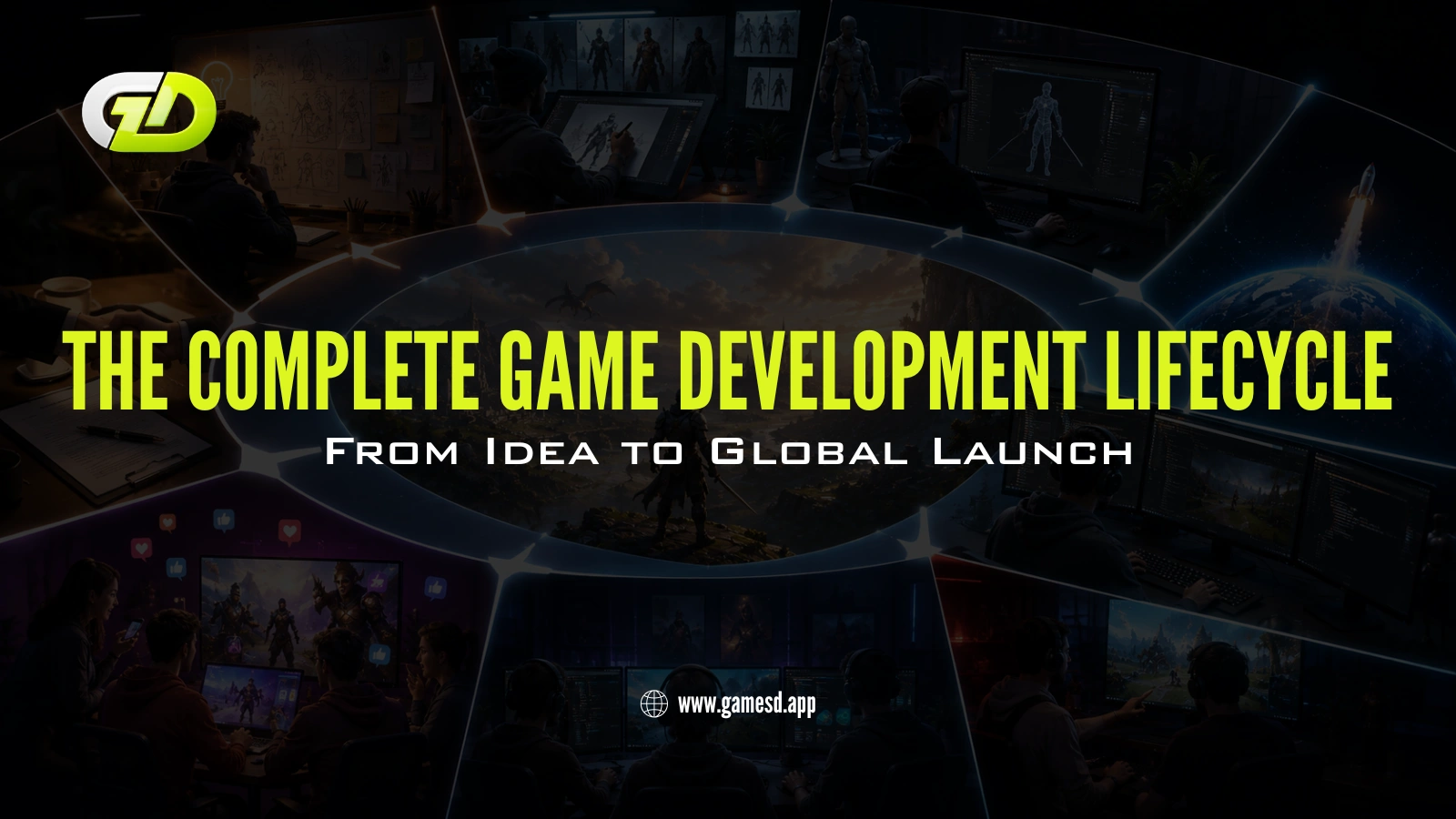
In the ever-evolving world of video games, understanding the game development lifecycle is crucial for aspiring developers and enthusiasts alike. This comprehensive guide will walk you through the entire process, from the initial spark of an idea to the triumphant global launch of your game. We’ll explore essential game development tools, effective marketing strategies, and even tips for indie game development. Whether you’re a seasoned developer or just starting, this article will provide valuable insights to help you navigate the complex yet exciting journey of game development.
1. Understanding the Game Development Lifecycle
The game development lifecycle consists of several stages, each critical to creating a successful game. From concept to launch, the process can be divided into:
- Concept Development
- Pre-production
- Production
- Testing
- Launch
- Post-launch
Each stage has its own set of challenges and opportunities, and understanding them is key to mastering the art of game development.
2. Concept Development: The Seed of Your Game
Every game begins with an idea. This initial phase involves brainstorming and refining your concept. Ask yourself:
- What genre will my game be?
- What unique features will set it apart?
- Who is my target audience?
Creating a game design document (GDD) can help organize your thoughts and outline the game's mechanics, story, and visual style. This document will serve as your roadmap throughout the development process.
3. Pre-production: Laying the Groundwork
Once you have a solid concept, the next step is pre-production. This phase involves planning and resource allocation. Key tasks include:
- Assembling your development team
- Choosing the right game engine (consider the best game engines of 2023)
- Creating prototypes to test gameplay mechanics
During this stage, it’s essential to establish a project timeline and budget to ensure a smooth production phase.
4. Production: Bringing Your Game to Life
Production is where the magic happens. This phase involves coding, designing, and creating assets for your game. Key elements include:
- Game design: Developing characters, environments, and storylines
- Programming: Writing code to bring your game mechanics to life
- Art and sound design: Creating visuals and audio that enhance the gaming experience
Utilizing game development tools effectively can streamline this process. For a comprehensive list of the best tools in 2023, check out this resource.
5. Testing: Ensuring Quality and Playability
Testing is a critical stage that cannot be overlooked. It ensures that your game is free from bugs and provides a smooth user experience. Types of testing include:
- Alpha Testing: Internal testing by the development team
- Beta Testing: External testing with real users
- Usability Testing: Gathering feedback on the game’s interface and mechanics
Gathering feedback during this phase is vital for making necessary adjustments before launch.
6. Launch: Making Your Game Available to the World
The launch phase is where all your hard work pays off. Key considerations include:
- Choosing a distribution platform
- Setting a launch date
- Preparing for server load and user demand
Effective game marketing strategies are crucial at this stage. Building anticipation through social media, trailers, and community engagement can significantly impact your game's success. For more on marketing strategies, visit this blog.
7. Post-launch: Engaging Your Community
After launching your game, the journey isn’t over. Engaging with your community and gathering feedback is essential for future updates and improvements. Consider:
- Monitoring player feedback on forums and social media
- Releasing patches and updates based on user input
- Planning downloadable content (DLC) to keep players engaged
Building a loyal community can lead to long-term success and player retention.
8. Game Monetization Strategies: Turning Passion into Profit
Monetization is a crucial aspect of game development. Understanding how to monetize your game effectively can determine its financial success. Common strategies include:
- In-app purchases
- Advertisements
- Premium game sales
Choosing the right monetization strategy depends on your game type and target audience.
9. Game Development Trends in 2023
Staying updated on game development trends is essential for any developer. In 2023, key trends include:
- Increased focus on virtual reality (VR) and augmented reality (AR)
- Emphasis on cross-platform play
- Growing popularity of indie games
By keeping an eye on these trends, you can ensure your game remains relevant and appealing to players.
10. Game Development Communities: Finding Your Tribe
Becoming part of game development communities is one of the best ways to accelerate learning, gain industry insights, and expand your professional network. By interacting with fellow developers, designers, and gaming enthusiasts, you can exchange ideas, solve development challenges, and collaborate on innovative projects. Whether you're an independent creator or part of a Game Development Company, online forums, developer communities, social media groups, and local meetups offer valuable opportunities to stay connected with the evolving gaming ecosystem.
The game development lifecycle is a dynamic and rewarding process that transforms creative ideas into engaging gaming experiences. By understanding every stage of development, utilizing the right technologies, and actively participating in the developer community, studios can improve project outcomes and streamline production. A forward-thinking Game Development Company that embraces collaboration, continuous learning, and modern development practices is well-positioned to deliver successful games and thrive in the competitive gaming industry.
Let's Connect With Us


You’re just one step away from transforming your dream game into a blockchain-powered reality. Get A Live Demo Today