Digital Twins in Game Development: Benefits & Future
Explore how digital twins help game developers simulate, test, optimize, and create more immersive gaming experiences using real-time data and AI.
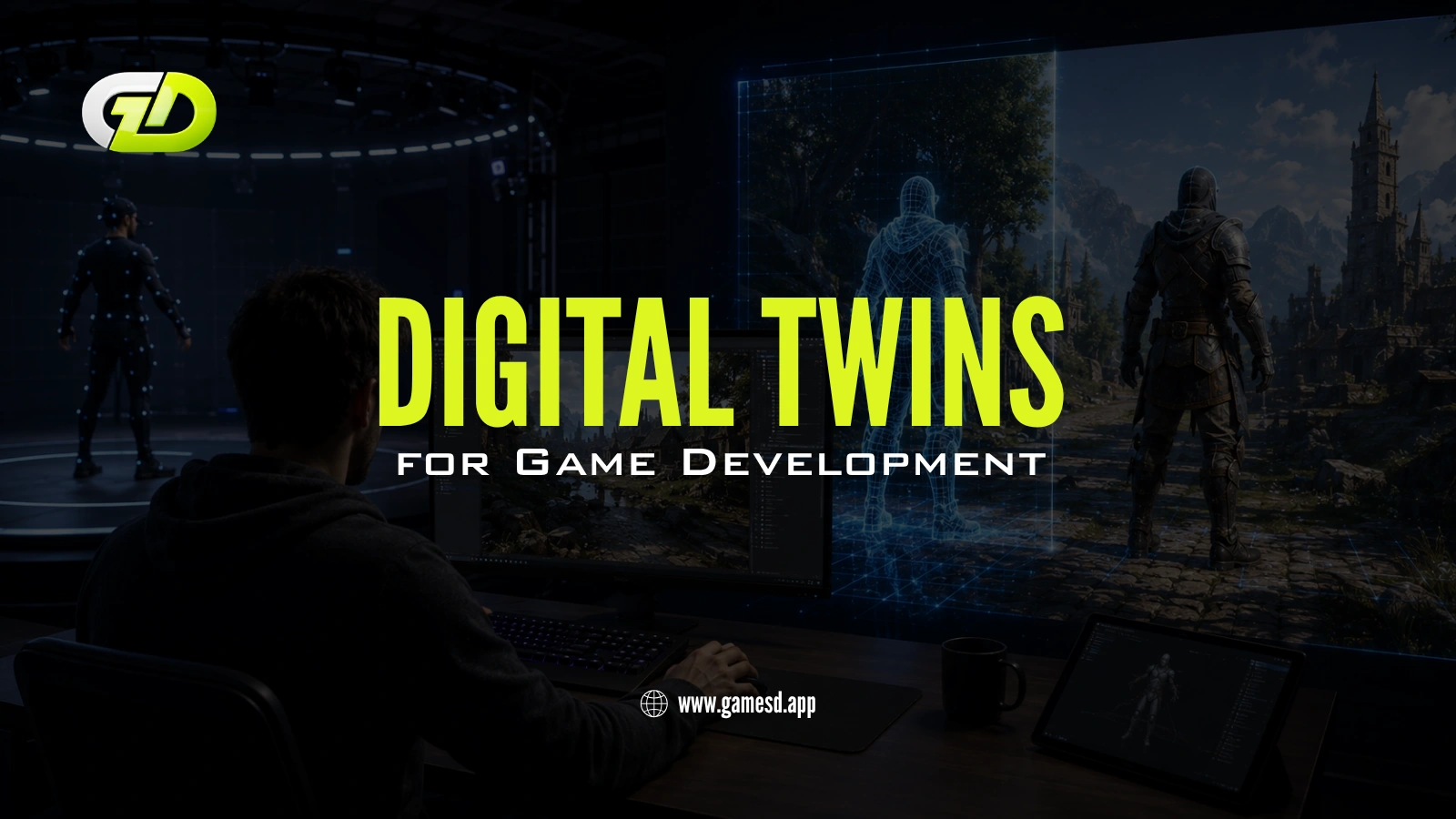
As the gaming industry evolves, the integration of advanced technologies becomes crucial. One such innovation is the concept of digital twins, which is transforming game development. Digital twins create virtual replicas of physical entities, allowing developers to simulate and analyze game environments in real-time. This article delves into the benefits of digital twins for games, how to implement them, and their future in the gaming landscape.
Understanding Digital Twins in Game Development
Digital twins are virtual representations of physical systems, processes, or objects. In the context of game development, they serve as dynamic models that reflect the behavior and characteristics of in-game elements. This technology enables developers to test scenarios, optimize performance, and enhance user experiences without the need for extensive real-world trials.
Benefits of Digital Twins for Games
The advantages of incorporating digital twins in game development are manifold:
- Real-time Feedback: Developers can receive immediate insights into how changes affect gameplay, allowing for quick adjustments.
- Cost Efficiency: By simulating environments and scenarios, developers can save on resources and time that would otherwise be spent on physical prototypes.
- Enhanced Collaboration: Teams can work on a shared digital twin, ensuring everyone is on the same page and can contribute effectively.
How to Implement Digital Twins in Gaming
Implementing digital twins in game development involves several steps:
- Identify Key Elements: Determine which aspects of your game would benefit from a digital twin.
- Choose the Right Technology: Select software and tools that support digital twin creation and management.
- Develop the Model: Create a detailed digital twin that accurately reflects the chosen elements.
- Test and Iterate: Use the digital twin to run simulations and refine your game based on the findings.
Digital Twin Technology for Game Design
In game design, digital twins can be utilized to create immersive environments. By modeling the game world, developers can simulate player interactions and environmental changes. This leads to a more engaging and responsive gaming experience. For example, a racing game could use a digital twin to simulate vehicle dynamics, allowing developers to fine-tune handling and performance before launch.
Digital Twins vs Traditional Game Development
Traditional game development often relies on trial and error, which can be time-consuming and costly. In contrast, digital twins offer a proactive approach. They enable developers to predict outcomes and make informed decisions based on data-driven insights. This shift not only accelerates the development process but also enhances the quality of the final product.
Best Practices for Digital Twins in Games
To maximize the effectiveness of digital twins in game development, consider the following best practices:
- Maintain Accuracy: Ensure that your digital twin accurately reflects the physical counterpart to avoid discrepancies.
- Regular Updates: Keep your digital twin updated to reflect any changes in the game environment or mechanics.
- Collaborative Tools: Utilize platforms that allow for easy sharing and collaboration among team members.
Digital Twins for Game Testing
Game testing is a critical phase in development, and digital twins can significantly enhance this process. By simulating various scenarios, developers can identify bugs and performance issues before the game is released. This proactive approach not only saves time but also ensures a smoother launch.
Digital Twin Software for Game Developers
Several software solutions are available for creating and managing digital twins in gaming. These tools offer features such as real-time data integration, visualization, and analytics. Choosing the right software is crucial for effectively leveraging digital twins in your development process.
Cost of Digital Twin Technology in Gaming
The cost of implementing digital twin technology can vary widely depending on the complexity of the game and the tools used. However, the long-term savings in development time and resources often outweigh the initial investment. It's essential to conduct a cost-benefit analysis to determine the feasibility for your specific project.
Case Studies on Digital Twins in Gaming
Real-world examples illustrate the successful application of digital twins in the gaming industry. For instance, a popular simulation game used digital twins to create realistic weather patterns, enhancing player immersion. Such case studies highlight the transformative potential of this technology in game development.
The Future of Digital Twins in Game Development
The future of digital twins in game development looks promising. As technology advances, we can expect more sophisticated models that integrate artificial intelligence and machine learning. This will allow for even greater personalization and responsiveness in gaming experiences.
Digital Twins for Virtual Reality Games
In virtual reality (VR) games, digital twins can enhance the immersive experience by simulating real-world physics and interactions. This technology allows developers to create more realistic environments that respond dynamically to player actions, making VR experiences more engaging and lifelike.
Digital Twin Platforms for Game Development
Various platforms are emerging that specialize in digital twin technology for game development. These platforms provide developers with the tools necessary to create, manage, and analyze digital twins effectively. By leveraging these platforms, game studios can streamline their development processes and improve overall game quality.
Digital Twins and AI in Gaming
The integration of artificial intelligence with digital twins opens up new possibilities for game development. AI can analyze data from digital twins to predict player behavior, optimize game mechanics, and even personalize experiences based on individual player preferences. This synergy between AI and digital twins is set to redefine the gaming landscape.
Conclusion
Digital twins are revolutionizing game development by providing developers with the tools to create more efficient, engaging, and immersive experiences. As the technology continues to evolve, it will play a crucial role in shaping the future of gaming. To stay ahead in this competitive landscape, game developers should consider adopting digital twin technology. Connect with Gamesdapp a leading Game Development Company to explore how we can help you leverage digital twins for your next project.
Let's Connect With Us


You’re just one step away from transforming your dream game into a blockchain-powered reality. Get A Live Demo Today